

Hearing the words “brain surgery” can feel overwhelming for patients and families alike. Questions about safety, recovery, long-term outcomes, and hospital selection naturally become immediate concerns. However, advances in neurosurgery have made many procedures more precise, safer, and less disruptive to everyday life than people often assume.
Patients searching for an advanced brain surgery hospital near Dhokali Thane are usually dealing with conditions such as brain tumors, aneurysms, traumatic brain injuries, epilepsy, hydrocephalus, or neurological pressure disorders. Each condition requires highly individualized treatment planning supported by accurate diagnostics and experienced neurosurgical teams.
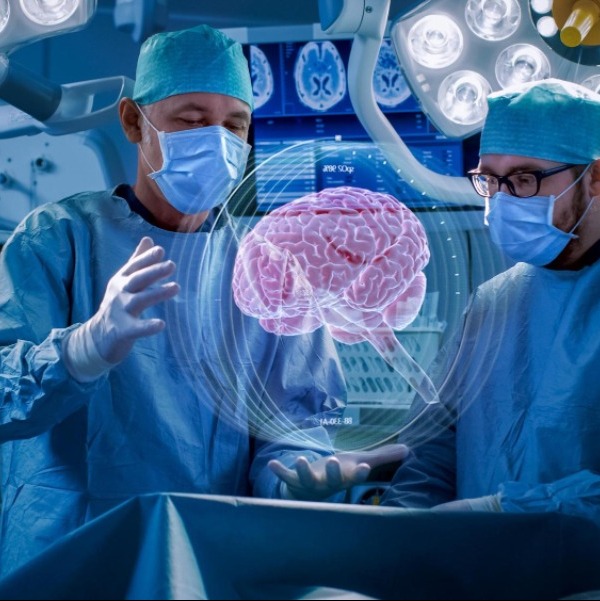
Modern brain surgery is no longer limited to traditional open procedures alone. Today, hospitals increasingly use advanced imaging systems, surgical microscopes, neuronavigation technology, and minimally invasive approaches wherever clinically appropriate. These advancements help surgeons operate with greater precision while protecting surrounding brain tissue.
One important misconception is that all neurological symptoms indicate severe disease. Persistent headaches, unexplained seizures, memory disturbances, sudden weakness, or speech difficulties can sometimes point toward treatable neurological conditions when diagnosed early. Timely consultation with specialists helps identify whether surgery, medication, monitoring, or rehabilitation is required.
In Thane, families increasingly prefer hospitals that provide multidisciplinary neurological support instead of isolated treatment services. Neurosurgeons often work alongside neurologists, critical care teams, physiotherapists, psychiatrists, and rehabilitation experts to manage recovery comprehensively.
Before selecting a hospital for brain surgery, patients should consider several practical factors:
- Availability of advanced neuro imaging
- ICU and emergency neurological support
- Experience with complex neurosurgical procedures
- Rehabilitation and post-surgical recovery services
- Infection control and critical care infrastructure
- Transparent communication with families
Many patients also want to understand recovery timelines. The reality is that recovery varies significantly depending on the condition, age, overall health, and type of procedure performed. Some minimally invasive surgeries allow faster mobility, while complex neurological conditions may require extended rehabilitation and cognitive recovery support.
Highland Hospital Thane has developed integrated neurological care pathways where diagnosis, surgery, intensive monitoring, and rehabilitation can be coordinated within the same healthcare system. This continuity often reduces stress for families navigating complicated treatment decisions.
Brain surgery preparation also includes emotional readiness. Families should feel comfortable asking questions about risks, expected outcomes, rehabilitation needs, and lifestyle adjustments after surgery. Hospitals that encourage patient education usually help improve treatment confidence and long-term recovery participation.
Maharashtra has seen growing awareness around neurological healthcare, especially with rising lifestyle disorders, stroke risks, and age-related neurological conditions. As a result, more patients are seeking specialized neurosurgical care earlier rather than waiting until symptoms become severe.
Making informed decisions about neurological treatment starts with understanding that early diagnosis, experienced specialists, advanced technology, and rehabilitation support together contribute to better patient outcomes.