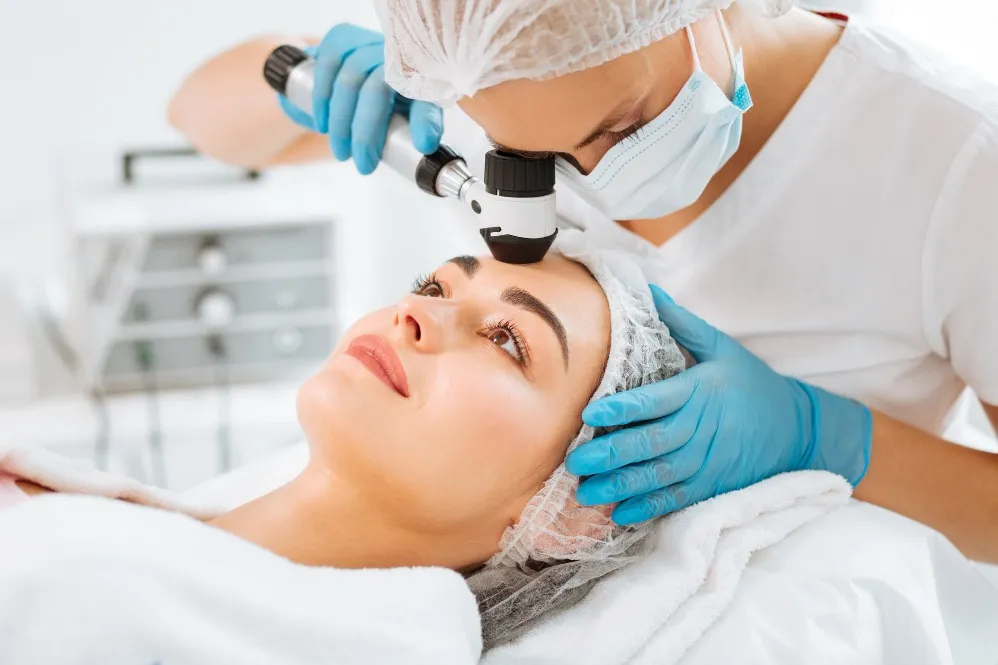
Your skin is the body's largest organ and often reflects your overall health. While occasional rashes, acne, or dryness may improve with simple care, persistent or recurring skin concerns should not be ignored. Many people rely on over-the-counter creams or home remedies for weeks or even months without understanding the actual cause of their symptoms. Visiting a Dermatology Clinic allows skin, hair, and nail conditions to be properly evaluated so that treatment is based on an accurate diagnosis rather than trial and error.
Skin conditions can affect people of every age, from infants and teenagers to adults and older individuals. Some concerns are temporary, while others require ongoing medical management. Early consultation not only helps relieve symptoms but can also prevent complications such as infections, scarring, or progression of chronic skin diseases.
Dermatologists diagnose and treat a wide variety of conditions involving the skin, hair, nails, and scalp. They also help distinguish between harmless skin changes and those that may require further medical attention. Because many skin disorders appear similar on the surface, professional evaluation is often essential before starting treatment.
Common conditions managed at a Dermatology Clinic include:
- Acne and acne scars
- Eczema and dermatitis
- Psoriasis
- Fungal skin infections
- Bacterial and viral skin infections
- Allergic skin reactions
- Hair fall and scalp disorders
- Pigmentation concerns
- Nail infections
- Warts and skin growths
While some skin conditions improve naturally, others should be evaluated if symptoms continue or worsen.
You should consider consulting a dermatologist if you experience:
- Acne that does not improve with routine skincare
- Persistent itching or skin irritation
- Recurrent skin rashes
- Unexplained changes in moles or skin lesions
- Hair loss that becomes progressively noticeable
- Thickened, discolored, or painful nails
- Repeated fungal infections
- Skin discoloration or pigmentation changes
- Chronic dry or inflamed skin
- Skin concerns affecting confidence or daily activities
Ignoring these symptoms may delay appropriate treatment and increase the likelihood of recurring problems.
Acne is one of the most common reasons people seek dermatological care. Although frequently associated with adolescence, acne can also affect adults due to hormonal changes, genetics, stress, medications, or skincare habits. Picking or squeezing pimples may increase the risk of permanent scarring, making early treatment especially important.
Eczema and psoriasis are chronic inflammatory skin conditions that often fluctuate over time. Symptoms such as redness, itching, scaling, or thickened skin may improve during some periods and worsen during others. While these conditions cannot always be permanently cured, appropriate medical management can help control symptoms and improve quality of life.
Hair-related concerns are another frequent reason for dermatology consultations. Hair loss may occur because of nutritional deficiencies, hormonal imbalances, thyroid disorders, autoimmune conditions, stress, genetics, or scalp infections. Identifying the underlying cause helps guide suitable treatment rather than relying solely on cosmetic products.
Pigmentation changes can also raise concern for many individuals. Dark patches, uneven skin tone, melasma, or post-inflammatory pigmentation may develop following acne, sun exposure, hormonal changes, or certain medical conditions. A dermatologist evaluates the cause before recommending treatments that are appropriate for the individual's skin type and medical history.
Some skin changes require urgent medical assessment. A mole that changes in size, color, or shape, a wound that fails to heal, rapidly spreading skin infections, or severe allergic reactions should be evaluated promptly. Early diagnosis helps determine whether additional investigations or specialist care are necessary.
Modern dermatology combines clinical examination with diagnostic procedures when required. Depending on the patient's symptoms, investigations may include:
- Skin examination using specialized instruments
- Allergy evaluation
- Skin biopsy when clinically indicated
- Laboratory investigations
- Fungal microscopy or culture
- Scalp and hair assessment
These diagnostic methods help identify the exact cause of symptoms and support evidence-based treatment planning.
Treatment plans vary depending on the diagnosis and severity of the condition. Some patients benefit from topical medications and skincare modifications, while others may require oral medications, minor dermatological procedures, or ongoing follow-up for chronic conditions. Self-medication without a confirmed diagnosis can sometimes worsen symptoms or delay appropriate care.
Maintaining healthy skin also involves preventive habits that support overall skin health:
- Use sunscreen when spending time outdoors.
- Cleanse the skin gently without excessive scrubbing.
- Avoid sharing personal grooming items.
- Maintain a balanced diet and adequate hydration.
- Manage stress through healthy lifestyle practices.
- Avoid using unverified skincare products without medical guidance.
- Seek evaluation if skin symptoms persist beyond a few weeks.
For residents of Thane and nearby areas of Maharashtra, receiving dermatological care within a multispecialty hospital offers additional advantages. Certain skin conditions may be associated with diabetes, autoimmune disorders, allergies, hormonal imbalances, or infections that require collaboration between multiple medical specialties. Coordinated healthcare ensures patients receive comprehensive evaluation whenever underlying medical conditions are suspected.
Highland Hospital Thane provides access to a Dermatology Clinic as part of its multispecialty healthcare services, offering evaluation, diagnosis, medical treatment, and ongoing management for a wide range of skin, hair, and nail disorders. Whether addressing a chronic skin condition or a newly developed concern, timely consultation with a qualified dermatologist supports accurate diagnosis, appropriate treatment, and healthier skin over the long term.
Keywords