


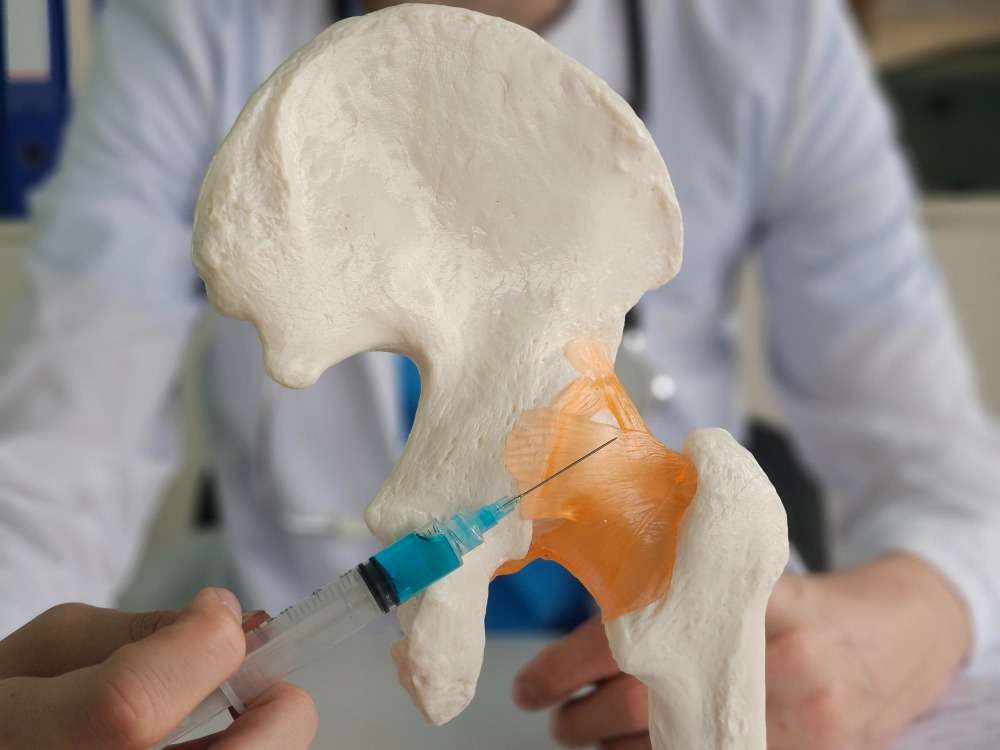
Chronic knee and hip pain can slowly affect every part of daily life. Climbing stairs becomes exhausting, walking short distances feels difficult, and even routine activities such as sitting, standing, or sleeping may become uncomfortable. Many patients continue adjusting their routines around pain for years before considering surgical treatment.
Patients searching for a hip and knee replacement hospital near Dhokali Thane are often trying to understand whether surgery is truly necessary or if non-surgical treatment can still provide relief. The answer depends on pain severity, mobility limitations, joint damage, and overall quality of life.
Joint replacement surgery is commonly considered when conservative treatments no longer improve function or comfort. Before recommending surgery, orthopedic specialists usually explore options such as physiotherapy, medication management, weight reduction, lifestyle modification, and pain management therapies.
Conditions that may eventually require joint replacement include:
- Advanced osteoarthritis
- Severe joint degeneration
- Rheumatoid arthritis
- Hip joint damage
- Chronic knee instability
- Post-traumatic joint deterioration
One of the most important signs that patients should seek orthopedic evaluation is reduced independence. Difficulty walking, persistent stiffness, sleep disturbance due to pain, or inability to perform daily tasks may indicate advanced joint deterioration.
In Thane, knee and hip problems are increasingly seen not only among elderly individuals but also among middle-aged adults dealing with obesity, sedentary work habits, and long-standing untreated joint injuries.
Modern joint replacement procedures have advanced considerably over the years. Improved surgical techniques, precision implants, minimally invasive approaches in selected cases, and structured rehabilitation programs have helped many patients regain mobility more effectively.
At Highland Hospital Thane, orthopedic specialists, rehabilitation experts, physiotherapists, and pain management professionals work together to support patients before and after joint replacement procedures. Recovery planning plays a major role in improving movement and restoring confidence after surgery.
Patients often worry about recovery timelines. While rehabilitation duration varies between individuals, physiotherapy usually begins early after surgery to improve mobility, strengthen surrounding muscles, and reduce stiffness.
Key factors influencing recovery include:
- Overall physical health
- Age and fitness level
- Weight management
- Commitment to physiotherapy
- Pre-existing medical conditions
- Post-operative movement habits
Another common misconception is that joint replacement is only suitable for very elderly patients. In reality, doctors evaluate overall functional impairment and joint condition rather than age alone while considering surgical options.
Preparing for surgery also involves understanding realistic outcomes. Joint replacement aims to reduce pain, improve movement, and enhance quality of life, but long-term results depend heavily on rehabilitation participation and lifestyle management after recovery.
Patients should seek orthopedic consultation if they experience:
- Severe joint pain during walking
- Persistent stiffness
- Swelling around the knee or hip
- Reduced movement range
- Difficulty standing from seated positions
- Pain affecting sleep or daily tasks
Healthcare awareness across Maharashtra has increased significantly regarding orthopedic treatment and mobility preservation. More families are now seeking timely evaluation rather than waiting until joint damage becomes severely disabling.
Choosing the right hospital for hip and knee replacement involves evaluating surgical expertise, rehabilitation infrastructure, recovery planning, and long-term orthopedic support together. Integrated care often plays an important role in helping patients return to comfortable and independent movement.