


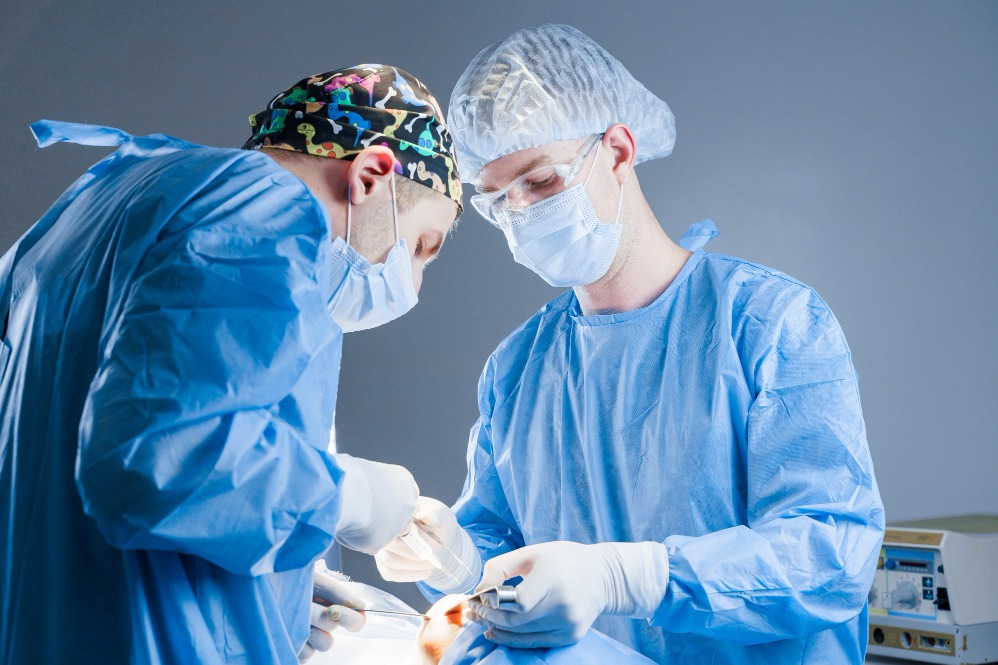
Many patients delay neurological treatment because they fear long recovery periods, major scars, or extended hospital stays. Fortunately, advances in minimally invasive neurosurgery are helping change how several brain and spine conditions are treated today.
Minimally invasive neurosurgery in Dhokali Thane has become increasingly relevant for patients looking for precision-based treatment with reduced tissue disruption. These techniques are commonly used in selected spine disorders, certain brain conditions, nerve compression issues, and spinal stabilization procedures depending on the patient’s diagnosis.
Unlike traditional large-incision surgeries, minimally invasive procedures use smaller access points, specialized instruments, and image-guided technology. The goal is to reach the affected area while minimizing damage to surrounding muscles and tissues. This often results in shorter recovery periods and reduced post-operative discomfort for suitable candidates.
Conditions commonly evaluated for minimally invasive approaches include:
- Herniated discs
- Spinal stenosis
- Degenerative spine disease
- Certain spinal tumors
- Nerve compression disorders
- Select cranial procedures
However, not every patient qualifies for minimally invasive treatment. The decision depends on imaging findings, severity of the condition, spinal stability, neurological symptoms, and overall medical health.
One major advantage patients often notice is improved mobility after surgery. Smaller incisions can reduce muscle trauma, which may help patients begin rehabilitation sooner. For working professionals and elderly patients in Thane, faster recovery timelines are often an important consideration.
At Highland Hospital Thane, minimally invasive neurological procedures are supported through coordinated diagnostics, surgical planning, physiotherapy, and post-operative rehabilitation. Integrated care becomes especially important because surgery is only one part of neurological recovery.
Patients should also understand that “minimally invasive” does not mean “minor.” These remain highly specialized procedures that require advanced surgical expertise, proper imaging support, and careful patient selection. Experienced neurosurgical teams focus not only on smaller incisions but also on long-term functional outcomes and patient safety.
Another growing trend in Maharashtra is the increase in spine-related problems among younger adults. Long working hours, poor posture, lack of physical activity, and sedentary lifestyles have contributed to rising complaints of chronic neck and lower back pain. In some cases, delayed treatment eventually leads to nerve compression or mobility limitations.
Recognizing symptoms early can prevent complications. Patients should seek evaluation if they experience:
- Radiating pain into the arms or legs
- Persistent numbness
- Difficulty walking
- Loss of grip strength
- Severe back pain affecting daily activities
- Sudden weakness
Recovery after minimally invasive neurosurgery still requires structured rehabilitation. Physiotherapy, posture correction, movement training, and follow-up monitoring remain essential for long-term improvement.
Patients and families often focus only on surgical technology while choosing a hospital. Equally important are rehabilitation services, emergency care access, and multidisciplinary coordination. Neurological recovery usually involves a combination of surgery, therapy, medication management, and lifestyle adaptation.
As awareness around advanced neurosurgical techniques grows in Thane, more patients are seeking early consultations instead of tolerating symptoms for years. Early diagnosis and personalized treatment planning continue to play the biggest role in improving neurological outcomes.