

Back pain has become so common that many people consider it a routine part of modern life. Long working hours, poor posture, sedentary habits, and repetitive strain have contributed to rising spinal problems across all age groups. However, persistent back pain should never be dismissed when it begins affecting movement, sleep, or daily comfort.
Patients searching for spine disc problem treatment near Dhokali Thane are often dealing with symptoms that extend beyond simple muscle strain. Conditions involving spinal discs can cause radiating pain, numbness, weakness, and mobility limitations that gradually interfere with normal activities.
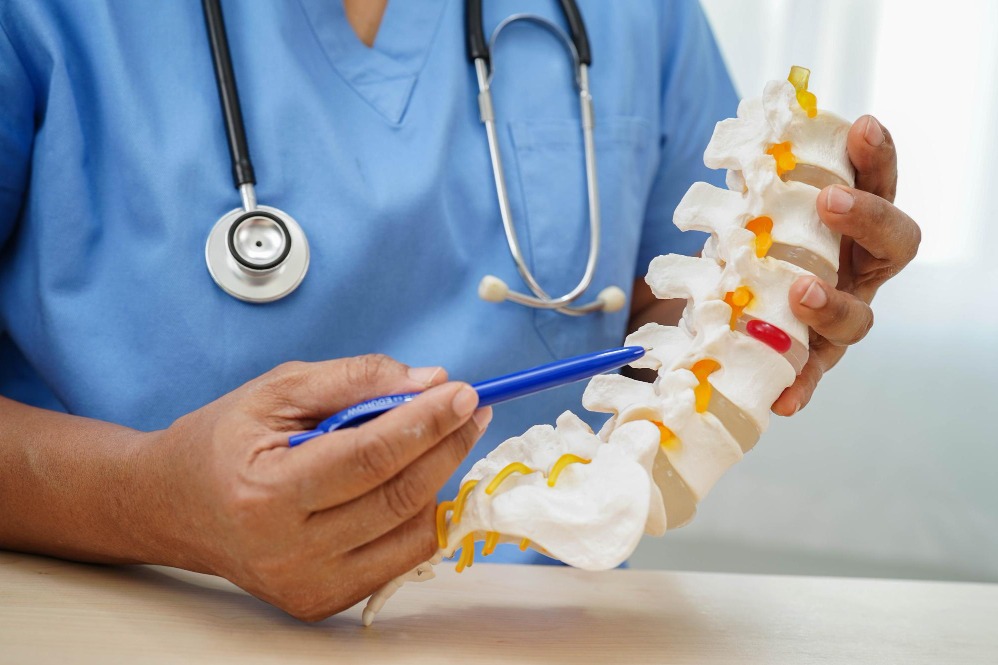
Spinal discs act as cushions between the vertebrae. When these discs bulge, slip, degenerate, or compress nearby nerves, patients may experience severe discomfort and nerve-related symptoms. Common spinal disc conditions include:
- Herniated disc
- Bulging disc
- Degenerative disc disease
- Cervical disc problems
- Lumbar disc compression
- Sciatica-related nerve irritation
One of the biggest misconceptions is that surgery is the only solution for disc problems. In reality, many patients improve through conservative treatments such as physiotherapy, posture correction, medication management, and guided rehabilitation. Surgical intervention is generally considered when symptoms become severe, progressive, or resistant to non-surgical treatment.
Symptoms that require medical evaluation include:
- Pain radiating to the legs or arms
- Persistent numbness
- Tingling sensations
- Difficulty standing or walking
- Weakness in the limbs
- Severe lower back or neck pain
- Loss of balance or coordination
Ignoring these symptoms for long periods may increase the risk of nerve damage or chronic mobility problems.
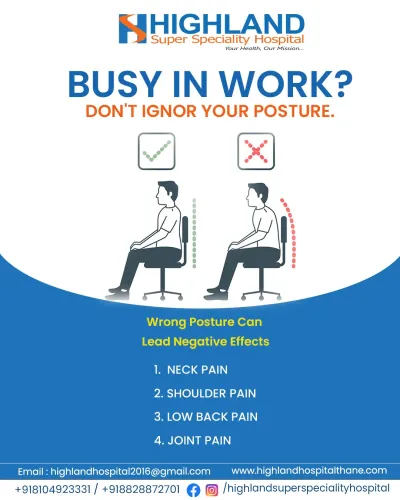
In Thane, spine-related complaints are increasingly common among working professionals who spend extended hours sitting at desks or using digital devices. Improper ergonomics and limited physical movement often contribute to spinal stress over time.
Treatment planning for spinal disc disorders depends on several factors including age, activity level, imaging findings, severity of nerve compression, and overall health. Experienced spine care teams usually focus on improving function and reducing pain while preserving long-term spinal stability.
At Highland Hospital Thane, spine care involves coordinated assessment through orthopedic specialists, neurosurgeons, physiotherapists, and rehabilitation professionals. This multidisciplinary approach helps patients receive both symptom management and long-term recovery guidance.
Modern spine treatment has also evolved considerably. Advanced imaging, minimally invasive procedures, targeted pain management techniques, and structured physiotherapy programs have improved outcomes for many patients dealing with chronic spinal discomfort.
Physiotherapy remains one of the most important aspects of recovery. Strengthening exercises, posture correction, flexibility training, and movement education often help reduce recurring pain episodes. Patients who return to poor ergonomic habits after treatment may continue facing repeated flare-ups.
Preventive spine care is equally important. Doctors commonly recommend:
- Maintaining healthy body weight
- Regular stretching and strengthening exercises
- Correct sitting posture
- Avoiding prolonged inactivity
- Safe lifting techniques
- Ergonomic workstation adjustments
Spinal problems can gradually impact independence and quality of life when left untreated. Seeking timely evaluation allows doctors to identify the root cause early and recommend personalized treatment before complications worsen.
For patients and families in Maharashtra, awareness around spinal health is steadily increasing as more people recognize the importance of early diagnosis, rehabilitation, and lifestyle correction in maintaining long-term mobility and comfort.